T6 P8 Neurofeedback Protocol for Anxiety: What It Is and How It Works
T6 P8 Neurofeedback Protocol for Anxiety: What It Is and How It Works
- T6 P8 Neurofeedback Protocol for Anxiety: What It Is and How It Works
T6 P8 Neurofeedback Protocol for Anxiety: What It Is and How It Works
Anxiety disorders affect millions of people worldwide, and while traditional treatments like cognitive-behavioral therapy and medication remain widely used, many individuals are turning to neurofeedback as a drug-free, evidence-informed alternative. Among the various neurofeedback protocols developed to address anxiety, the T6 P8 neurofeedback protocol has gained significant clinical attention for its targeted approach to reducing anxious brain activity. If you or someone you love is struggling with persistent anxiety, understanding this specific protocol could be an important step toward effective, lasting relief.
Understanding Neurofeedback Therapy
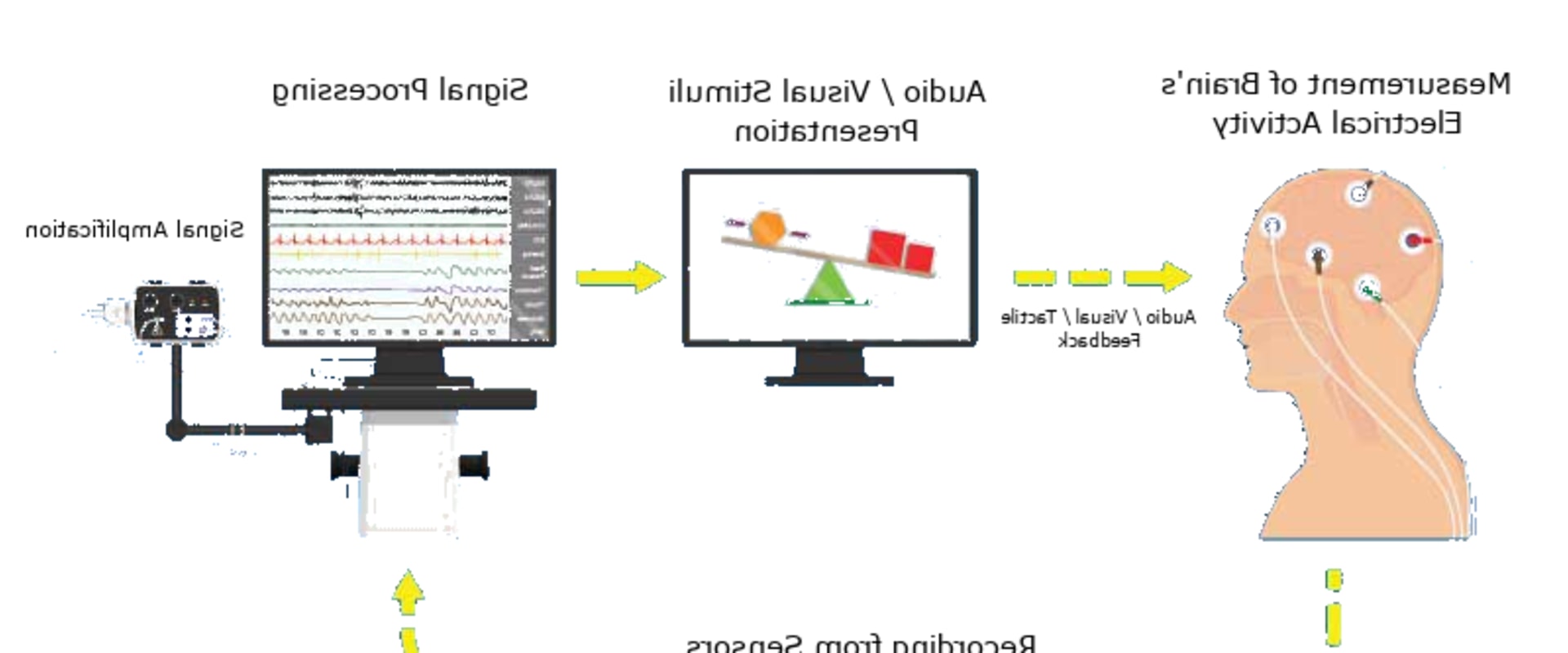
Neurofeedback, also known as EEG biofeedback, is a type of brain training that allows individuals to observe and gradually modify their own brainwave activity. Using sensors placed on the scalp, a neurofeedback system measures electrical signals produced by the brain in real time. These signals are translated into visual or auditory feedback that the patient receives during a session, essentially "rewarding" the brain for producing healthier patterns of activity.
Over repeated sessions, the brain learns to self-regulate more effectively. This is not a passive treatment — it is an active, neuroplasticity-based process grounded in decades of neuroscience research. For anxiety specifically, neurofeedback can help calm overactive brain regions, reduce excessive high-frequency brainwaves, and promote states of relaxed alertness.
What Are T6 and P8 Electrode Sites?
To understand the T6 P8 neurofeedback protocol, it helps to know something about the standard 10-20 EEG electrode placement system. This internationally recognized system maps specific locations on the scalp using a grid of letters and numbers, each corresponding to an underlying brain region.
- T6 refers to the right posterior temporal region in the traditional 10-20 system. This area overlies portions of the temporal and parietal lobes on the right side of the brain.
- P8 is the corresponding site in the updated 10-10 system, reflecting a slightly more refined placement in the right parieto-temporal junction.
In many clinical and research contexts, T6 and P8 are used interchangeably or referenced together to describe activity in the right posterior temporal-parietal region. This area plays a crucial role in emotional processing, threat perception, rumination, and the regulation of the autonomic nervous system — all of which are intimately connected to anxiety.
Why Target the Right Temporal-Parietal Region for Anxiety?
The right hemisphere of the brain is heavily involved in processing negative emotions, fear-based responses, and withdrawal behaviors. Research in affective neuroscience has consistently shown that individuals with anxiety disorders often display right hemisphere hyperactivity, particularly in temporal and parietal regions, compared to healthy controls.
Specifically, the T6/P8 area is associated with:
- Overactive threat detection networks
- Excessive rumination and worry loops
- Hyperarousal of the nervous system
- Impaired emotional regulation and cognitive flexibility
- Abnormal alpha wave suppression in the right hemisphere
When this region shows persistently elevated beta or high-beta activity (fast, aroused brainwaves), the individual often experiences chronic anxiety, racing thoughts, irritability, and difficulty relaxing. By targeting this site with neurofeedback, clinicians aim to downregulate overactivation and restore healthier alpha wave production, shifting the brain toward a calmer baseline state.
How the T6 P8 Neurofeedback Protocol Works in Practice
Initial Assessment
Before beginning any neurofeedback protocol, a qualified practitioner typically conducts a quantitative EEG (qEEG) brain map. This assessment records brainwave activity across multiple electrode sites and compares the results to normative databases. For anxiety patients, a qEEG often reveals excess high-beta activity, alpha deficits, or connectivity abnormalities concentrated in right temporal-parietal areas, which directly informs the decision to use the T6 P8 protocol.
Session Structure
During a T6 P8 neurofeedback session, electrodes are placed at the T6 or P8 site along with reference electrodes at neutral locations such as the earlobes. The patient then engages with a feedback interface — typically a video, game, or audio stream — that responds in real time to their brainwave output. When the brain produces desired patterns (such as increased alpha waves or reduced high-beta), the feedback is rewarding. When undesired patterns appear, the feedback dims or pauses.
Sessions typically last between 30 and 45 minutes, and a standard course of treatment ranges from 20 to 40 sessions, though individual needs vary considerably. Most patients begin noticing gradual improvements in anxiety symptoms within the first 10 to 15 sessions.
Training Goals for Anxiety
For anxiety-focused neurofeedback at T6/P8, the primary training objectives often include:
- Increasing alpha activity (8–12 Hz) in the right posterior temporal region
- Reducing excessive beta activity (15–30 Hz) associated with arousal and worry
- Decreasing high-beta or gamma activity (above 30 Hz) linked to hypervigilance
- Improving right-left alpha asymmetry toward a more balanced emotional baseline
Evidence Supporting T6 P8 Neurofeedback for Anxiety
The growing body of clinical literature supports right temporal-parietal neurofeedback as a meaningful intervention for anxiety. Studies examining alpha asymmetry training — a framework that directly implicates sites like T6 and P8 — have demonstrated reductions in self-reported anxiety, lowered cortisol levels, and measurable changes in brain connectivity following neurofeedback treatment.
Clinicians working with patients who have generalized anxiety disorder (GAD), social anxiety, panic disorder, and post-traumatic stress disorder (PTSD) have incorporated T6/P8 protocols with encouraging outcomes, particularly when combined with a personalized qEEG-guided treatment plan.
For a deeper look at how this approach is applied in clinical practice, you can explore more about the t6 p8 neurofeedback protocol anxiety and how it is integrated into comprehensive anxiety treatment programs.
Who Is a Good Candidate for This Protocol?
The T6 P8 neurofeedback protocol is particularly well-suited for individuals who:
- Experience persistent generalized anxiety or excessive worry
- Have tried medication but prefer a non-pharmaceutical approach
- Show right temporal hyperactivation on a qEEG assessment
- Suffer from anxiety accompanied by rumination, irritability, or hyperarousal
- Are dealing with treatment-resistant anxiety that has not responded fully to talk therapy alone
It is important to note that neurofeedback is not a one-size-fits-all treatment. The best results come from protocols tailored to an individual's specific brainwave profile, medical history, and symptom presentation.
What to Expect During and After Treatment
Most patients find neurofeedback sessions relaxing and non-invasive. There is no electrical stimulation involved — the sensors only record, not transmit. Some individuals experience mild fatigue or brief emotional shifts following early sessions as the brain begins to reorganize, but these effects are typically short-lived.
Sustained benefits from T6 P8 neurofeedback for anxiety often include reduced overall anxiety levels, improved sleep quality, greater emotional resilience, enhanced concentration, and a decreased tendency toward catastrophic thinking. Many patients report that the gains made through neurofeedback continue to strengthen even after the formal training period ends, reflecting genuine, lasting neuroplastic change.
Finding a Qualified Neurofeedback Practitioner
Given that neurofeedback protocols like T6 P8 involve interpretation of complex brainwave data, it is essential to work with a trained and certified professional. Look for practitioners certified by the Biofeedback Certification International Alliance (BCIA) or those with advanced clinical training in qEEG-guided neurofeedback. A thorough intake process, brain mapping, and individualized protocol design are hallmarks of high-quality care.
Conclusion
The T6 P8 neurofeedback protocol represents a targeted, scientifically grounded approach to addressing the neurological underpinnings of anxiety. By training the right posterior temporal-parietal region to produce healthier brainwave patterns, neurofeedback helps reduce the overactive threat circuitry that drives chronic anxiety. Whether used as a standalone intervention or in conjunction with therapy and other wellness strategies, this protocol offers genuine hope for those seeking lasting, drug-free anxiety relief. If you are curious about whether this approach is right for you, consulting with a qualified neurofeedback specialist and undergoing a comprehensive qEEG assessment is a smart and informed first step.