Essential Foods for Optimal Post-Workout Recovery
Discover essential post-workout recovery foods to enhance your health and wellness journey with Zen Health.
- Nutrition and Diet
- Nutrition for Fitness
- Post-workout recovery foods
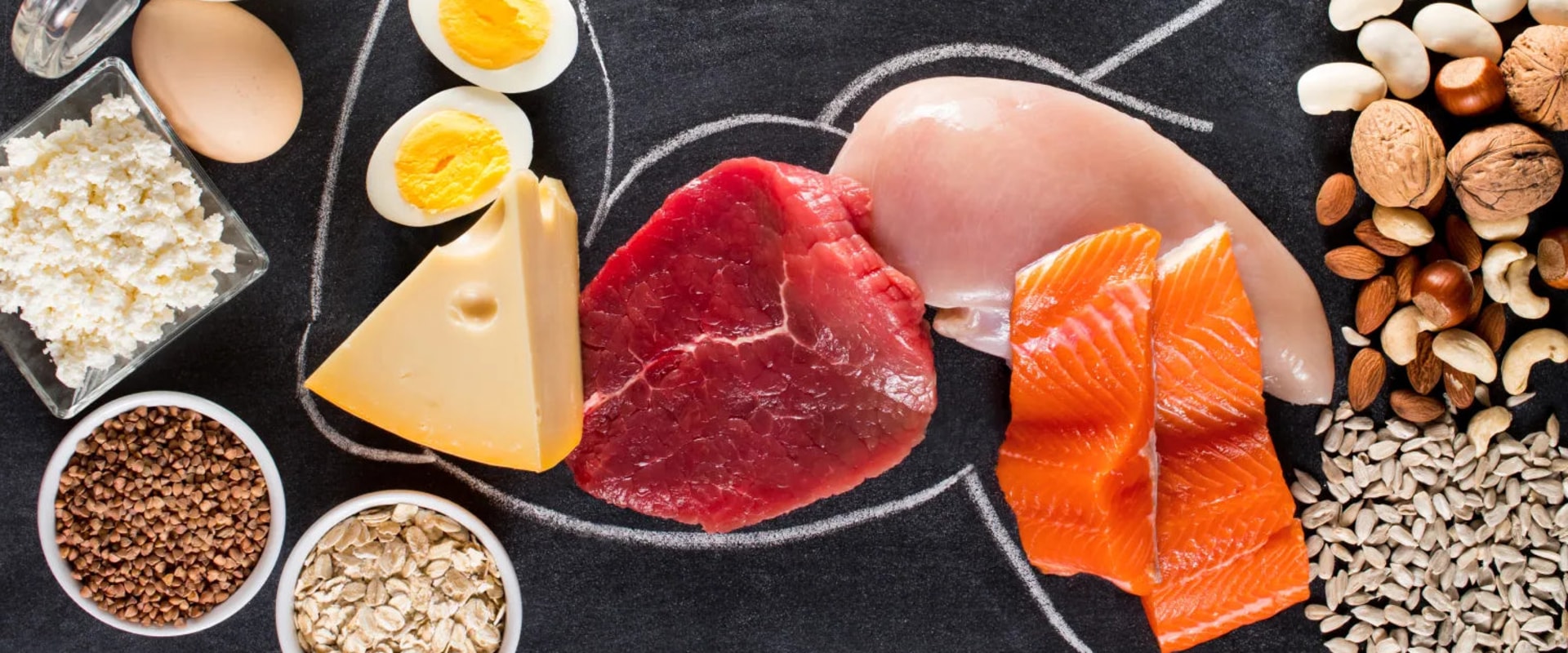
At Zen Health, we understand that the journey to optimal fitness goes beyond just hitting the gym; it extends into what you put into your body after your workouts.
Post-workout recovery foods
play a crucial role in replenishing energy, repairing muscles, and preparing your body for the next challenge. With the right nutrition, you can enhance your recovery process, boost performance, and ensure that every workout counts towards your fitness goals. The importance of post-workout recovery foods cannot be overstated. After an intense exercise session, your body is in a state of depletion, requiring specific nutrients to rebuild and recover.This phase is where the magic happens: the right combination of proteins, carbohydrates, and fats can significantly influence how quickly and effectively your body bounces back. In this article, we will delve into the essential foods that can aid in your recovery process, helping you to refuel and rejuvenate efficiently. Whether you're an athlete striving for peak performance or a casual gym-goer looking to enhance your fitness routine, understanding what to eat post-workout is vital. Join us at Zen Health as we explore the best options for post-workout recovery foods, ensuring you have all the tools necessary to support your body's needs and keep you on track towards a healthier lifestyle. In the quest for improved health and wellness, understanding the role of post-workout recovery foods is crucial. At Zen Health, we emphasize the importance of nutrition in conjunction with modern peptides and medicines to optimize your recovery after workouts.
The body goes through significant stress during physical activity, leading to the depletion of essential nutrients that are vital for recovery and performance enhancement. Thus, selecting the right foods after exercising can make a substantial difference in how efficiently your body repairs itself and replenishes energy levels. One of the most critical components of post-workout nutrition is protein. This macronutrient is essential for muscle repair and growth, as it provides the necessary amino acids that your body uses to rebuild damaged muscle fibers. Consuming protein-rich foods such as lean meats, dairy products, eggs, and plant-based sources like legumes and quinoa can significantly enhance recovery.
Research suggests that consuming about 20 to 30 grams of high-quality protein soon after a workout can optimize muscle protein synthesis, making it a vital aspect of any post-workout recovery strategy. In addition to protein, carbohydrates play a vital role in recovery by replenishing glycogen stores that have been depleted during exercise. When you engage in strenuous workouts, your body primarily uses glycogen as a source of energy. Therefore, including carbohydrate-rich foods in your post-workout meals is essential for restoring energy levels. Whole grains like brown rice, oats, and whole grain bread are excellent choices, as well as fruits like bananas and berries that also provide necessary vitamins and minerals. Healthy fats should not be overlooked in your post-workout recovery plan.
While they do not contribute directly to muscle repair or energy replenishment, they are crucial for overall health, including hormone production and nutrient absorption. Foods rich in omega-3 fatty acids, such as avocados, nuts, seeds, and fatty fish like salmon, can help reduce inflammation and promote recovery. Including a balance of healthy fats in your diet can ensure that your body functions optimally. Moreover, incorporating modern peptides into your recovery regimen can further enhance the benefits of these foods. Peptides are short chains of amino acids that can promote muscle growth and reduce soreness following intense workouts.
They have gained popularity in the fitness community for their ability to support recovery by improving nutrient absorption and accelerating muscle repair processes. While whole foods provide a solid foundation for nutrition, peptides can serve as an adjunct to maximize recovery outcomes. It’s worth noting that there are some differing opinions regarding the necessity of supplements versus whole foods in achieving optimal recovery. Some argue that a well-balanced diet rich in whole foods can meet all nutritional needs without the need for additional supplements. This perspective is valid; many athletes thrive on carefully curated meal plans that focus on nutrient-dense foods.
Others contend that supplements can provide an edge in performance and recovery, especially for those with specific dietary restrictions or higher training demands. Ultimately, the choice between supplements and whole foods should align with individual goals, dietary preferences, and lifestyle factors. At Zen Health, we advocate for a holistic approach to nutrition that prioritizes whole foods while recognizing the potential benefits that supplements like peptides can offer in certain circumstances. In conclusion, understanding the science behind post-workout recovery foods allows individuals to make informed choices that enhance their health and fitness journeys. By incorporating adequate protein, carbohydrates, healthy fats, and considering modern peptides when appropriate, one can optimize recovery and support overall well-being.
The Role of Peptides in Recovery
At Zen Health, we understand that post-workout recovery is not solely dependent on traditional foods. While consuming the right nutrients is essential, modern advancements in medicine, particularly the use of peptides, can play a significant role in enhancing recovery.Peptides are short chains of amino acids that serve as building blocks for proteins and are vital in various physiological processes, including muscle repair and growth. Incorporating peptides into your recovery regimen can complement traditional recovery foods by providing targeted support for muscle healing and inflammation reduction. For instance, certain peptides have been shown to stimulate the production of growth hormone, which can accelerate muscle recovery and improve overall performance. This combination of nutritional intake and peptide therapy allows athletes and fitness enthusiasts to maximize their recovery potential. Moreover, the synergistic effect of peptides with essential nutrients found in recovery foods, such as proteins and carbohydrates, can enhance the body’s ability to rebuild muscle tissues and replenish glycogen stores effectively. By integrating both approaches, individuals can create a comprehensive post-workout recovery plan that not only focuses on nutrition but also leverages the benefits of modern medicine.
Zen Health advocates for this holistic approach to recovery, emphasizing that understanding and utilizing both traditional and modern methods can lead to optimal health outcomes.
Carbohydrates: Fueling Your Recovery
At Zen Health, we recognize that carbohydrates play a vital role in post-workout recovery, particularly in replenishing glycogen stores that are essential for muscle recovery and overall performance. When you exercise, your body utilizes glycogen, a stored form of glucose, as its primary source of energy. After a workout, it's crucial to restore these glycogen levels to prepare your body for future physical activities. Consuming carbohydrates after exercise helps to accelerate the replenishment of glycogen stores, which can significantly enhance recovery. This is particularly important for athletes or individuals engaging in high-intensity training, where glycogen depletion can occur rapidly.Foods rich in carbohydrates, such as fruits, whole grains, and starchy vegetables, should be prioritized in your post-workout meal. These not only provide the necessary sugars for glycogen restoration but also contribute to overall nutritional balance. The timing of carbohydrate intake is also critical; consuming them within 30 minutes to two hours post-exercise can optimize glycogen resynthesis. Incorporating these foods into your recovery routine not only supports muscle repair but also prepares you for your next workout session. At Zen Health, we encourage you to embrace a well-rounded approach to nutrition that includes adequate carbohydrate intake as part of your post-workout strategy.
Healthy Fats for Overall Well-Being
Incorporating healthy fats into your diet is essential for overall well-being and plays a significant role in post-workout recovery.At Zen Health, we understand that after an intense workout, your body needs the right nutrients to recover effectively. Healthy fats provide a concentrated source of energy, which is particularly important when your glycogen stores are depleted after exercising. These fats, found in foods such as avocados, nuts, seeds, and olive oil, not only supply energy but also support the absorption of fat-soluble vitamins like A, D, E, and K. Moreover, healthy fats are crucial for hormone production and can help reduce inflammation in the body. This anti-inflammatory effect is vital for muscle recovery and can assist in alleviating soreness and stiffness that often follow intense physical activity. Additionally, consuming healthy fats can help you feel fuller for longer periods, which may prevent overeating later on.
This satiety is particularly beneficial when you're trying to maintain a balanced diet while managing your recovery process. Incorporating these fats into your post-workout meals can enhance both recovery and overall health. Ultimately, understanding the importance of healthy fats can lead to better energy levels and improved muscle repair, thus optimizing your post-workout recovery journey. Remember to include a variety of these beneficial fats in your meals to support your fitness goals effectively.
The Importance of Protein in Recovery
At Zen Health, we recognize that protein plays a pivotal role in post-workout recovery. After an intense workout, your muscles undergo stress and microscopic tears, necessitating repair and rebuilding.Protein is essential for this process as it provides the amino acids required for muscle recovery and growth. Consuming an adequate amount of protein post-exercise helps to stimulate muscle protein synthesis, reduce muscle soreness, and ultimately aids in faster recovery. Incorporating high-protein foods into your post-workout meal can significantly enhance your recovery. Some excellent sources of protein include:
- Chicken Breast - Lean and packed with protein, making it an ideal choice for muscle repair.
- Greek Yogurt - A tasty option that not only offers high protein but also contains probiotics for gut health.
- Lentils - A plant-based protein source rich in fiber and essential nutrients.
- Eggs - Known as a complete protein, eggs are versatile and provide all the essential amino acids.
- Quinoa - A grain that contains all nine essential amino acids, making it a great vegetarian option.
Practical Tips for Post-Workout Nutrition
At Zen Health, we understand that the timing and composition of your meals post-workout can significantly impact your recovery.To maximize the benefits of your nutrition, consider the following practical tips.
Timing is Key:
Aim to consume your post-workout meal or snack within 30 to 60 minutes after exercising. This window is crucial for replenishing glycogen stores and aiding muscle recovery. If you can’t manage a full meal, a quick snack like a smoothie or yogurt can be effective.Portion Sizes:
Your post-workout meal should ideally include a balance of protein and carbohydrates. A good rule of thumb is to aim for a ratio of about 3:1 carbohydrates to protein.For example, if you consume 20 grams of protein, pair it with about 60 grams of carbohydrates. This combination will help repair muscle tissues and restore energy levels.
Easy Recipes:
Preparing nutritious meals doesn’t have to be complicated. Here are a couple of easy recipes to get you started:- Protein Smoothie: Blend 1 banana, 1 cup of spinach, 1 scoop of protein powder, and 1 cup of almond milk. This refreshing drink provides essential nutrients and is easy to digest.
- Quinoa Salad: Mix cooked quinoa with diced vegetables (like bell peppers and cucumbers), add some chickpeas for protein, and drizzle with olive oil and lemon juice.
This hearty salad is great for replenishing energy while providing a substantial amount of nutrients.
We encourage you to explore a variety of options and consider incorporating both traditional nutrient-rich foods and modern solutions like peptides into your recovery regimen. By doing so, you can support your body’s healing process and promote optimal performance.